This Cincinnati client had to repair his chimney twice!

May 3, 2009 by admin  
Filed under Chimney Repairs, Recent News

badrebuildthumbIn the Cincinnati area chimney repair has become big business with roofers, plumbers, electricians and even auto repair companies – all trying to ‘get in on the action’. Well that’s ok but there is something you should realize as a homeowner about a ‘chimney repair contractor’ who does not have the experience to know what to do… he can cost you BIG MONEY, especially here in Cincinnati! Let me explain why. Read more

Bookmark and Share

Brick repair – replacing damaged bricks

April 22, 2009 by admin  
Filed under Brick Replacement

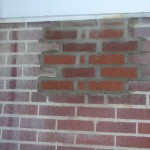
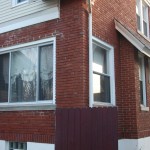
In Cincinnati when I look at a brick repair request that a customer has asked for an estimate on, I find the damage so severe that a rebuild would be the proper approach. However if a customer prefers not to have a rebuild done and would rather ‘patch in’ a few damaged brick we can handle that as well.

Though we always recommend a rebuild where warranted and alternative and more economical application is brick replacement. (see video here) Read more

Bookmark and Share

Masonry repairs video – Alaska White bricks

April 20, 2009 by admin  
Filed under Case Study

This customer in Cincinnati wanted masonry repairs performed on a small courtyard wall that was attached to the front of the house. She wanted the wall removed because it was beginning to deteriorate and didn’t want to replace it. She requested that we attempt to save some of the bricks from the wall demolition and use them to fill in the holes left in the house wall from the demolition. Click read more to watch video. Read more

Bookmark and Share

Brick repair – 4 brick crack problems

April 13, 2009 by admin  
Filed under Articles, Broken Bricks & Cracks

by Michael Olding

It’s a sunny morning around and you’re up early.  You decide to grab your coffee and take a quick stroll around your homes exterior to look for signs of wear.  You find nothing and are pleased until you turn the last corner of your home and stop abruptly in disbelief!

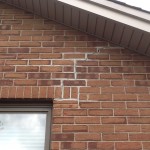
There before you in the beautiful brick masonry of your home is a huge crack! How did it get there?  What do you do?  You wonder.  Whom do you call? Read more

Bookmark and Share

How to tell if you have used bricks?

April 4, 2009 by admin  
Filed under Articles, Recent News, Used Brick

If you have used bricks on your home or business you probably know by now however some building owners may not. Though used bricks can be a blessing due to their beauty they may be a curse as well if you are not careful about your maintenance. 

Used bricks make for an excellent  colonial and traditional brick veneer application and have been used extensively for home building veneers but here’s the caveat, they are very soft and can deteriorate quite rapidly.

Exactly what are used brick? – Well, used bricks are basically just what their name implies. They are bricks salvaged from old building when they were demolished.  During the renovations of the ‘city centers’ across America in the ’70s & ’80s many older downtown buildings across the nation were demolished.

As a result of this extensive renovation there were millions of used bricks collected from the demolition debris and sold to building around the country at rock bottom prices, so became a much sought after commodity for builders during that period.

The color of used bricks can range from a typical red brick color, to many variations of orange, brown and black and even a pink-salmon color. They are very irregular in size due to the way they were made.

They often look as if they had been tumbled, (and they were when the buildings were torn down) are generally soft with rounded corners with chips and missing pieces. Most used bricks that were used as brick veneer on homes were salvaged from the back-up or interior masonry walls of the old downtown buildings.

Many have soot and paint on them as they were the interior walls of homes and offices or the inside of attics and chimneys.  It is one of the few bricks that blend perfectly with colonial and traditional architecture and provides fantastic eye appealing when used properly. They were used extensively in home building simply because they were cheap and plentiful

How can you tell if you have used bricks? – Since used bricks are irregular in shape they are easily recognizable from the curb or street because they have an ‘old’ and soft appearance. You take a screwdriver or any hard and pointed tools and scrape it along the surface of a used brick building and easily gouge the surface of the bricks.

A new brick wall on the other hand would be too hard, if not impossible to gouge and are regular and rectangular in shape due to the mechanized manufacturing processes that developed in 30′ and 40’s.  If you looked at a new brick building from the street it would have a more uniform and crisp appearance and look new.

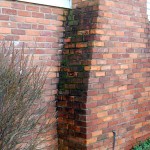
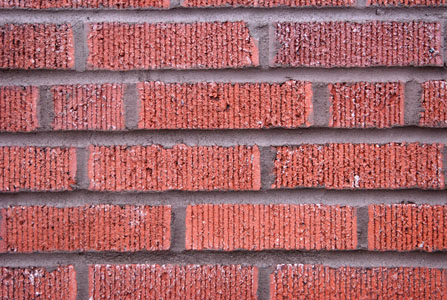
How to look for damage in used brick walls? – Due to a used bricks inconsistent density they tend to deteriorate as individual units, unlike new brick which will deteriorate in sections.  As you walk around a home or building you may look closely for bricks that have a chalky, orange color to them.  Once you get used to looking for these you will notice them immediately and usually are the first to deteriorate.

A closer inspection of the wall will also reveal bricks that are ‘powdering’ which means that they turn to powder as they deteriorate.  You will see small pieces beneath the wall or where the ‘deteriorated’ brick is located.

Regardless of how the deterioration of used bricks is manifest, you should repair all the damaged used bricks that you find in a wall.  While inspecting the individual bricks for damage also look for cracks and loose or missing mortar.  Fill in any holes in the mortar that you find and repair any cracks.  This will go a long way to preventing excessive water from entering the wall.

After you have completed the repairs you are now ready for your final and most important preventive maintenance chore.

Seal your bricks! - There is nothing more valuable to your used brick building than a thorough, saturation application of high quality masonry sealer.  I cannot stress enough the importance of this step. Most used brick are well over 100 years old at this point and must be protected if you wish to preserve their integrity.

As you watch gallons of what we refer to as ‘liquid gold’ being sucked into your brickwork, remember it will protect those used brick and save you ongoing maintenance and repairs. It is the cheapest insurance that you can buy against used brick deterioration.

by Michael Olding

Bookmark and Share

‘Fill & Stain’ chipped or broken bricks.

April 1, 2009 by admin  
Filed under Fill & Stain Method

‘Fill & Stain’ is affordable and practical and  can be used instead of rebuilding to protect the damaged masonry by ‘filling & stain’ the damaged brick.
No one repair is ‘correct’ for any given situation. We always recommend the rebuilding of any damaged masonry structure if the budget allows. This is by far the the most effective way to assure a long term, attractive and durable repair.

Read more

Bookmark and Share

10 yr. warranty on chimney rebuilds

April 1, 2009 by admin  
Filed under Chimney Repairs

It’s an unfortunate fact but the reality is, bricks on chimneys do deteriorate and you don’t know it’s happening until it’s too late!

That’s right. Your chimney can look perfectly fine one year and then the next, you’ll see chipped or broken bricks (called spalling) or pieces of bricks laying on your roof or the ground below the chimney. This deterioration is caused by a damaged crown and is a sure sign that your chimney is in need of repair. Read more

Bookmark and Share

We can make your cracks disappear!

April 1, 2009 by admin  
Filed under Broken Bricks & Cracks

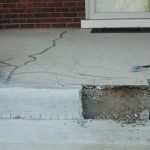
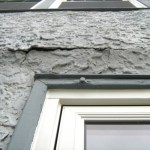
You have cracks in the walls of your home… don’t you? You’re not sure what caused them or how to fix them. But you do know, that you have cracks in the walls of your home: in your concrete, your brick, in your stone or in your stucco… right? Read more

Bookmark and Share